
7 Reasons Northern Japan Is the Trip Most TOURISTS Never Take (And Why That MEANS YOU SHOULD)
Most first-time visitors to Japan land in Tokyo, ride the bullet train to Kyoto, snap a photo at Fushimi Inari, and call it a trip. It's a beautiful itinerary. It's also the same itinerary roughly a million other travelers take every year.
Northern Japan and Hokkaido are a different country entirely — volcanic peaks instead of skyscrapers, Indigenous Ainu heritage instead of souvenir shops, fishing villages instead of fashion districts. It's where Japan goes quiet, wild, and becomes unmistakably real… which is exactly why we created this trip. To avoid the crowds and immerse ourselves into a part of Japan that is still undiscovered.
Our Northern Japan & Hokkaido Women's Adventure is different from a trip you could piece together yourself — and different from almost anything else on the market.
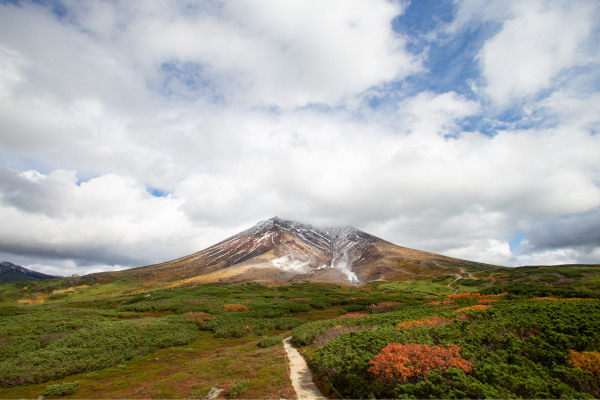
1. You're Not Fighting Crowds for a Photo. You're Hiking in Natural Landscapes.
We ride the Asahidake Ropeway in Daisetsuzan National Park and hike to the summit of Mt. Asahidake — Hokkaido's highest peak at 2,291 meters (7,516 feet), with steaming vents and alpine wildflowers along the way. It's considered a hard hike based on the steepness and loose rock on the trail. It takes 5-6 hours and is roughly 5.3km (3.3 miles), with 705 meters (2313 feet) of elevation gain. A challenge that will reward you with one of the most dramatic landscapes in Japan.
Later in the trip, we walk the Oirase Gorge Trail — 9 miles along crystal-clear streams and waterfalls — before cruising the volcanic shoreline of Lake Towada. This is a trip for women who want their travel to include sweat, scenery, and a little bit of "I can't believe I just did that."
2. You'll Meet the Women Who Are Quietly Reshaping Hokkaido's Economy
This trip is built around sitting down with the women who are building something here, not just watching Japan go by from a bus window.
In Obihiro, we visit a women-led agritourism enterprise blending farming, education, and sustainability — lunch happens right in the fields, with the women behind the operation.
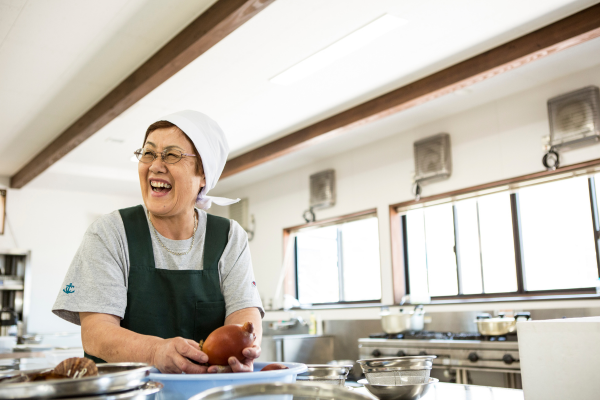
In Hakodate, we step into a community kitchen run by women from a local fishermen's cooperative for a hands-on cooking experience rooted in coastal tradition.
These are real businesses, run by real women, who are generous enough to let us into their world for an afternoon.
It's the difference between hearing about Hokkaido's women-led economy and actually shaking the hands behind it.
3. Indigenous Ainu Culture, Taught By the Ainu
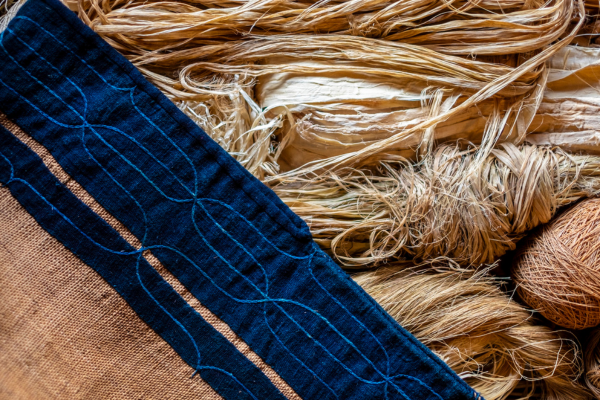
Most travelers leave Japan never having heard the word "Ainu." We want you to not only know what the word means, but to feel an authentic connection to the local indigenous culture.
In Asahikawa, we visit the Kawamura Kaneto Ainu Museum, where a member of the Ainu community shares personal family stories, their lived history from Japan's Indigenous people. Then we sit down for a hands-on Ainu stitching workshop, learning techniques passed down through generations. It's one of the most quietly powerful days of the whole trip, and it's not common on standard Japan itineraries.
4. Two Nights in a Traditional Ryokan — Onsen Included
Twice on this trip, we trade hotel rooms for ryokans: traditional Japanese inns with tatami floors, futon beds, multi-course kaiseki dinners, and communal onsen hot springs. One stay is on the shores of Lake Shikotsu after a morning of kayaking; the other is in Noboribetsu, Hokkaido's legendary hot spring town, right after walking through the otherworldly steam vents of Hell Valley (Jigokudani).
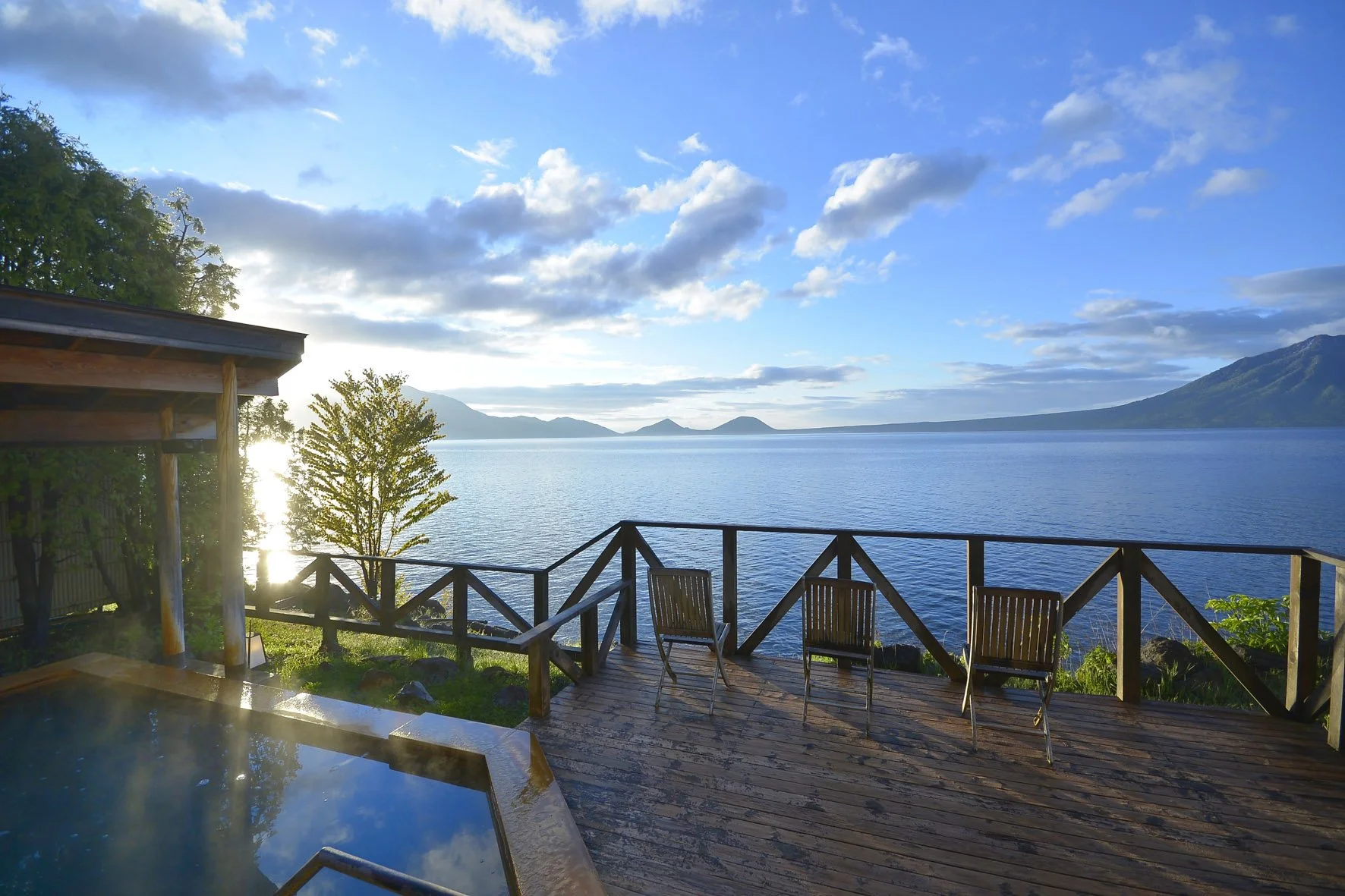
There's a particular kind of decompression that happens when you sink into a hot spring after a day of hiking, surrounded by women who understand exactly why you needed this trip. That's the ryokan experience and why we build it into the itinerary.
5. Food That Tells the Story of a Place
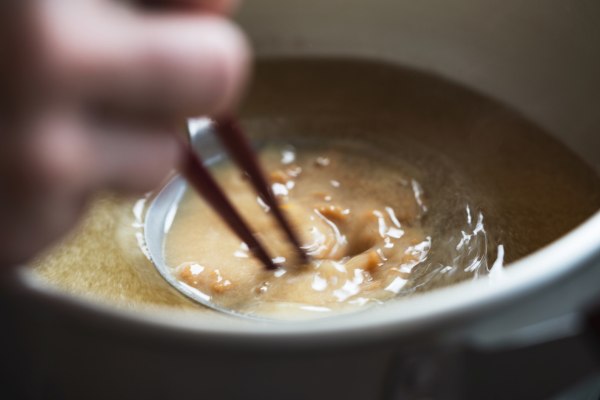
Across all 10 days, food isn't an afterthought between activities — it is an activity. Fresh sushi in the canal town of Otaru. A farm-to-table lunch grown by the women of Itadakimasu. A hands-on cooking class with Hakodate's fishing cooperative. Bento on the bullet train. Kaiseki at the ryokan. A celebration dinner under the autumn colors of Aomori.
Nine breakfasts, nine lunches, and nine dinners are included — most of them tied directly to the region and the people who make them.
6. A Local Woman Guide, Every Step of the Way
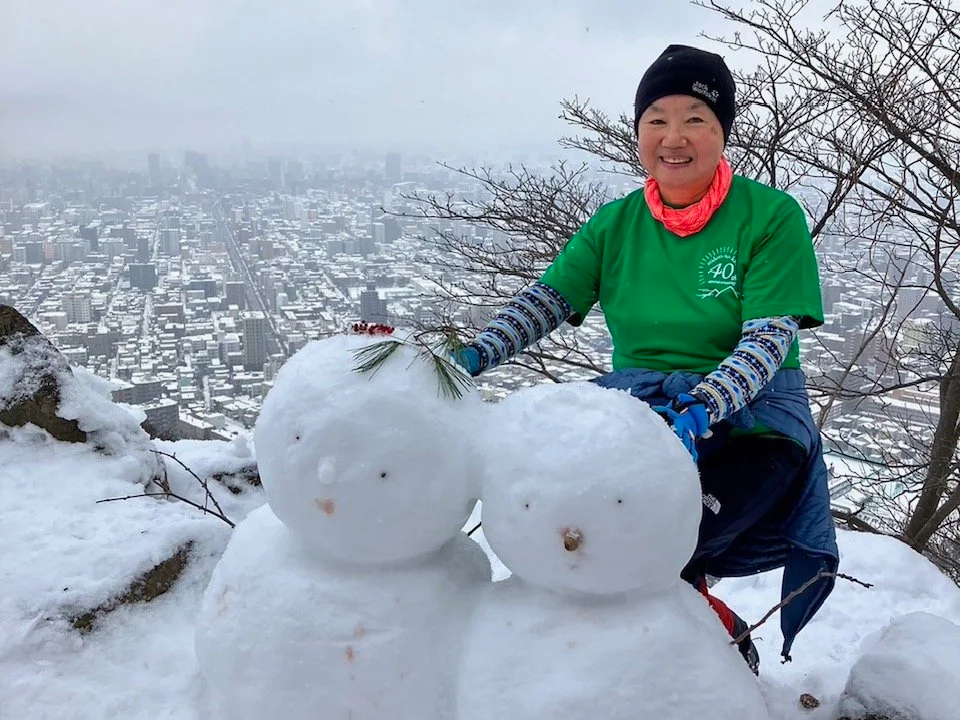
Meet Michiko!
You'll have an English-speaking female local tour leader with you for the entire 10 days — someone who knows the trains, the trails, the etiquette, and the stories that don't make it into guidebooks. Supporting local women guides is an intentional part of the trip, it's part of how AdventurUs designs every itinerary, because it means the money you spend stays connected to the women-led adventure economy you came to experience.
7. Traveling With the Founder Herself
The AdventurUs Trip Leader is Saveria, the founder of AdventurUs, a seasoned outdoor guide who has spent more than a decade building women's skills-based retreats and adventure trips designed around confidence, connection, and joy. Traveling with the person who built the company means a level of care and attention that's hard to replicate. She's there to work alongside the local guide and make sure you feel supported whether this is your first solo trip or your tenth.
Want to Keep Going?
Add Tokyo to Complete the Experience.
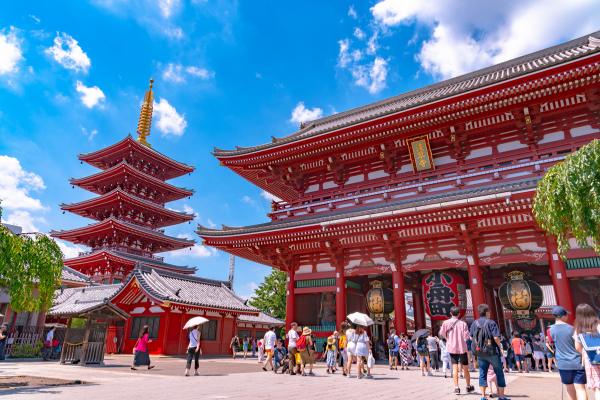
For travelers who want a final dose of modern Japan before heading home, we offer an optional 2-day Tokyo extension immediately following the main trip (October 3–5, 2026). We have intentionally added this to the end of the trip, because while cities and crowds may not be your thing, we get it, it feels like an experience that we can’t miss - especially with a local guide to make it feel less overwhelming. The Tokyo extension includes transportation from Aomori to Tokyo, a walking tour of Shibuya Crossing and Harajuku, a visit to Sensoji Temple, and a kimono and tea ceremony experience — capped with a farewell dinner with the friends you just spent ten days making.
Details for Our 10-Day Northern Japan & Hokkaido Women's Adventure
When: September 24 – October 3, 2026 (Tokyo extension: October 3–5)
Where: Sapporo → Otaru → Furano → Asahikawa → Lake Shikotsu → Noboribetsu → Hakodate → Hirosaki → Lake Towada
Group size: 6–8 women
Price: From $7,990 per person (limited early bird spots at this price)
Activity level: Moderate-to-active — hiking, kayaking, walking 4–9 miles on activity days
This is a trip for women who've already done the more popular parts of Japan, or who never wanted to in the first place. It's for women who want their travel to mean something — to connect them with a place's people, not just its postcards.
This trip has limited of 8 women. → Reserve your spot ←
